With more and more people using social media to build their professional image, it has become important for all types of professionals, including freelancers, business owners, students, and working professionals, to create a positive online identity. One way to do this is to connect with the right people and find new opportunities to grow.
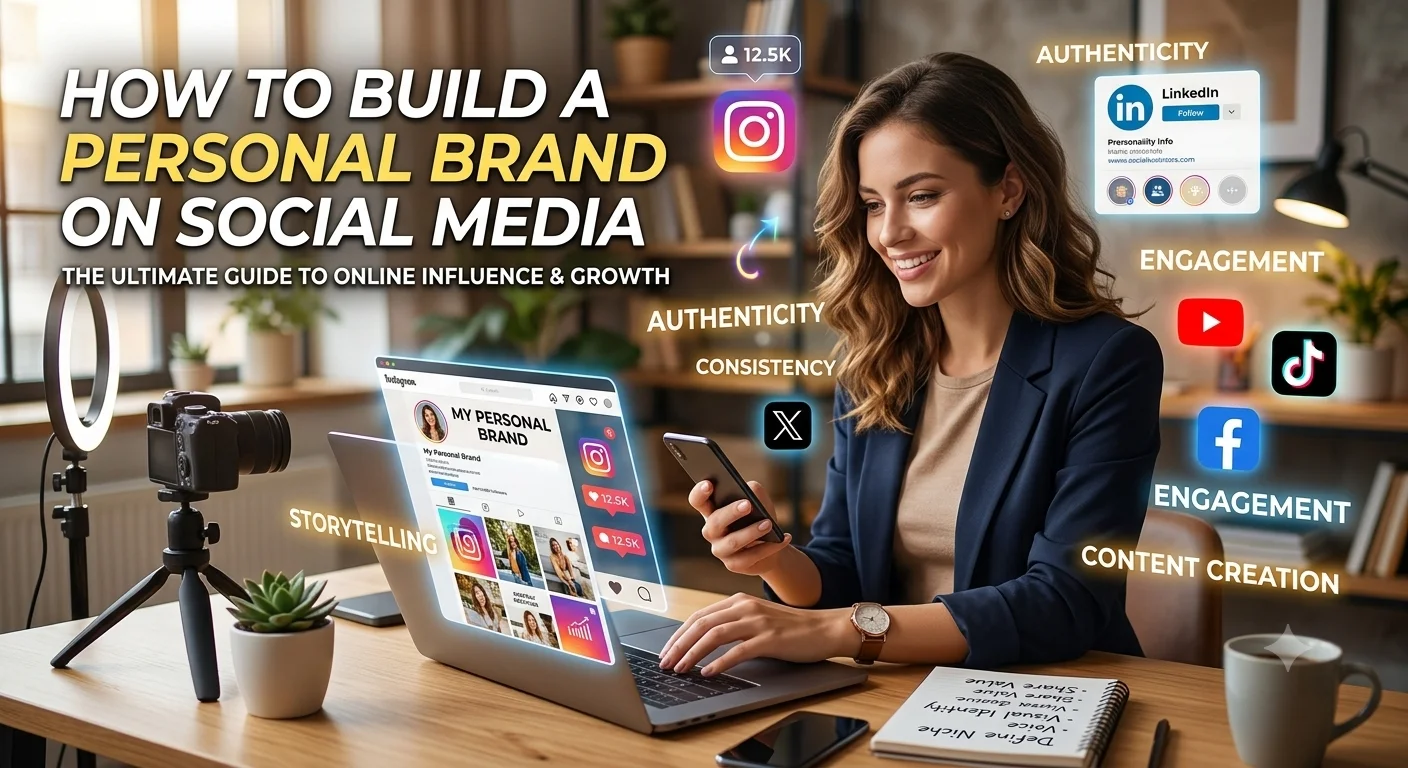
Creating a brand through social media does not just mean getting more followers or making attractive pictures. Building a personal brand on social media is about showing your knowledge, beliefs, and abilities, which helps others understand who you are and remember you. With a personal brand, you can build relationships, share your thoughts and experiences, and create long-term professional connections.
This guide explains how to build a personal brand on social media and maintain an active online presence.
What Is a Personal Brand on Social Media?
A personal brand shows what you stand for as a professional through the way you communicate, the work you have done, your experience, and how you act online. Social media gives you a chance to share your thoughts, show your skills, and build relationships with people who have similar professional interests.
For example, a public relations professional can share communication tips, show examples of campaigns they have worked on, and talk about how a company’s image is built. A designer can show their work, while a business consultant can discuss what is happening in the business world and other important topics.
Your personal brand reflects who you are, what you have achieved professionally, and how you want people to remember you.
Why Is Personal Branding Important?
Builds Professional Trust
Sharing your knowledge and the value of your work helps people understand your abilities. Every time you provide useful information through your posts, you give your target audience a chance to learn more about your work and experience.
Creating trust takes time. Trust develops through honest communication, useful content, and consistent work.
Creates New Opportunities
Social media can help you become more visible online so you can connect with people who may be interested in your work. These people could be customers, employers, colleagues, or others in your field. They may discover your content through posts, professional conversations, or recommendations.
These connections could lead to projects, collaborations, or job opportunities.
Helps You Stand Out
People working in the same field may have similar jobs, but each person has different skills, ideas, and experiences. A personal brand helps you show how your approach is different from others.
Build your identity around your experience, interests, and career growth instead of trying to copy someone else’s online image.
Helps Build Better Professional Relationships
Social media lets you meet people you might not normally meet through your job. By responding to comments thoughtfully, joining conversations about topics in your field, and sharing useful information, you can build strong relationships over time.
How to Build a Personal Brand on Social Media
Step 1: Define Your Personal Brand
Before you start creating content, think about the image you want people to have when they think of you. Consider your skills, interests, work experience, and career goals for the next few years.
For example, you may want to be known for public relations, event marketing, personal branding, digital communication, or business storytelling.
Choose a few related topics that show what you know. There is no need to cover everything you like in one place.
Step 2: Know Your Target Audience
Think about the type of people you want to reach with your content. Your audience could include potential customers, job seekers, recruiters, business owners, students, or professionals working in similar fields.
Consider the questions these people might have, the problems they face, and how you can help them with useful information.
Knowing your audience helps you create relevant content instead of posting things without a clear purpose.
Step 3: Choose the Right Social Media Platforms
You do not need to be on every social media platform. Choose the ones that fit your career goals best.
LinkedIn is useful for connecting with professionals, sharing career updates, and learning about developments in your field. Instagram can be used to show creative projects, pictures, and your work process. YouTube is useful for sharing longer educational videos, although other platforms may be better for certain audiences.
You can start with one or two platforms where you feel comfortable posting. As your content plan develops, you can add more.
Step 4: Make Your Profile Look Professional
Your social media profile is often the first place people visit to learn about you. Use a clear photo of yourself and write a short description explaining what you do.
Include relevant experience, your skills, and a short explanation of how you can provide value. If possible, add links to your website or portfolio so potential employers or clients can see your work.
Keep your professional information consistent across platforms so people can recognise you easily.
Step 5: Make Useful and Regular Content
Content helps people understand who you are, what you do, and what you care about professionally. Instead of only posting advertisements, share information that can help your audience.
For example, you can share industry insights, lessons from your work, answers to frequently asked questions, project updates, or your thoughts on professional experiences.
Choose a posting schedule you can maintain. Posting two or three times a week consistently may be more practical than posting every day and eventually becoming tired of it.
Step 6: Talk to Your Audience
Personal branding is not just about making and sharing posts. It is also about building relationships with the people who see your content.
You can stay active on social media by responding to comments related to your work, joining conversations about trends in your field, and commenting on posts shared by other professionals. Avoid sending repeated promotional messages to people you do not know.
The more genuinely you interact with people, the easier it becomes for them to approach you. These interactions can also help you build professional relationships.
Step 7: Check How You Are Doing
It is useful to check how well your social media efforts are working. Some things to look at include profile visits, meaningful comments, shares, enquiries, messages, and the number of professionals you connect with.
How you measure success depends on your goals. If you want to attract customers, the number of enquiries you receive may matter more than your follower count. If you want to become known as an expert, profile visits and meaningful engagement may give you a better idea of your progress.
By understanding what your audience likes, you can continue improving your content.
Common Personal Branding Mistakes to Avoid
It is common for people to copy the way someone else talks or presents themselves online. While learning from others can be useful, your content should reflect your own personality, ideas, and experience.
Another mistake is judging someone’s professionalism only by their follower count. Having many followers may bring more visibility, but it does not automatically mean that a person has strong professional skills or meaningful connections.
Inconsistent messaging can also confuse your audience. Keep your profile, content topics, and communication aligned with the professional image you want to build.
Finally, do not share information that could affect your privacy or reveal confidential details about clients, colleagues, or employers. Your professional online image should be genuine while maintaining appropriate boundaries.
Final Thoughts
Building a personal brand on social media requires a clear understanding of who you are, consistency in how you present yourself, and a genuine interest in connecting with others. You do not need expensive equipment, thousands of followers, or highly polished content to get started.
First, decide what you want to be known for. Next, choose the social media platforms that help you share your knowledge with the right audience. Then, start posting useful content regularly.
Over time, these efforts can help you build a professional network, strengthen your reputation, and discover opportunities for growth in your career or business.